


How narcissists create dysfunctional teams
This post is in response to a question asked by Kathleen Davey in relation to my last blog titled " Why are narcissists and people pleasers attracted to each other."
"Interesting. Would also like to hear about how this applies to Narssicism in workplace leadership - relationships with staff and in business partnerships?"
The blog posted below goes some way in answering your question based on dysfunctional relationships in business and how the type 6 leader "controlling person" attracts and treats "yes persons". But also how they treat the "Hero's" "Scape goats" "Lost persons" and the "Clowns".
The narcissist will some use some or all of the nine dysfunctional behaviors to control his/her dysfunctional team. These include team secrets, triangles, victims, closeness-distance, projection, gender bias, new-old staff, special rules and cut-off.
This is an adoption of the following blog titled “Why you need Team Loyalty in 2015- published on 11th January, 2015”.
Loyalty is an essential part of team flow.
The new loyalty is not based on time served, like the old loyalty, but on the employee committing to their job and to other team members, in return for interesting work, support, feedback, reward and the opportunity to grow.
The loyalty model shown below is based on an adaptation of Robert Sternberg’s “Forms of love”
The “Leader” (any team member displaying trust, respect, acceptance and commitment to the team, their job and to themselves) is the only person displaying full loyalty, the others aren't.
......................................................................................Team.................. Job............... Self
Behavioral types
Type 1. Conscientious person [team] .......................X
Type 2. Conscientious person [Job] .......................................................X
Type 3. Infatuated [with self/job] ........................................................ X ....................X
Type 4. Impact [short-term] person.......................X.................................................. X
Type 5. Compliant/conscientious person ...............X.......................... X
Type 6. Controlling person [job focus] .................................................X..................... X
Type 7. Leader........................................................... X......................... X...................... X
Type 8. Non-contributor......................................... nil........................ nil.................... nil
The above eight types can come with differing personalities, abilities and experience, such as:
Using four personality criteria, namely
1. Overly Controlling.
2. Overly Responsible.
3. Avoidant
4. Normal range.
or using three measures of skill and experience, namely:
1. Highly skilled and experienced
2. Moderately skilled and experienced
3, Low skills and experience.
These personality traits, behaviors and abilities can be used to describe possible dysfunctional team members who lack loyalty.
They are used as an indicative guide to dysfunction which blocks team flow, including the team leader who may be loyal, but lack skills.
Dysfunctional person [possible signs]
1. Type 3. Infatuated person: Will be working for their short term self interest and will not be a team player. The more highly skilled and experienced they are, the more influence they have to work against the organization’s goals.
2. Type 4 Impact person. Will have a similar outcome as Type 3 above, however, their negative impact will be discovered after a much longer period, due to their personal skills and creating a belief that they are a "team" player. They tend to quickly move on to their next promotion.
3. Type 6. Controlling person: Their lack of empathy and lack of concern for others causes low morale in the team. They are overly challenging and attack the person rather than the process or behavior.
4. Type 7 Leader: Where the leader has low skills and experience, too many mistakes will be made. The team will under perform and team members may try to protect their leader, because of his/her personal qualities.
5. Type 8 Non-contributor. But only when they are highly skilled and heavily relied upon by the team.
Supporting the dysfunctional person [enablers]
Yes person: Type 1 normally overly responsible trying to please everyone. Will enable the dysfunctional person to hold on to their position. Normally moderate to low skill level.
Hero: Type 2 or Type 5. Normally highly competent. Used by the dysfunctional person to promote themselves using the ideas of the hero. The hero is only recognized and praised within the team, when it suits the dysfunctional person.
Scape goat: Type 2, 5 or 8. Normally moderate to low competence. Used by the dysfunctional person to blame team mistakes when communicating outside the team or blaming the dysfunctional person’s mistakes within the team.
Lost Person: Type 1, 2, 6, or 8. Where the person is avoidant and either not committed to the job or to other team members. Normally moderate to low skills and ignored by the dysfunctional person.
Clown: Type 1, Normal personality, but with moderate to low skills and used by the dysfunctional person to diffuse responsibility away from themselves.
If team flow is to be achieved then loyalty needs to be promoted, dysfunctional personality traits need to be fixed, skills and experience need to be developed.
The dysfunctional person needs to be removed from the team or change their position of influence in the team. Enablers need to be coached out of their dysfunctional behavior.
Loyalty can be built through a successful emotional intelligence program.
ANOTHER WAY TO LOOK AT DYSFUNCTIONAL LOYALTY
Rather than examining the person, we can examine the relationships, using the individual components of loyalty, namely, trust, respect acceptance and commitment.
Murray Bowen's “ 8 Interlocking concepts” of family therapy, can be adapted and combined with the Cognitive Principle Matrix’s "theory of balance” to identify dysfunction within the team:
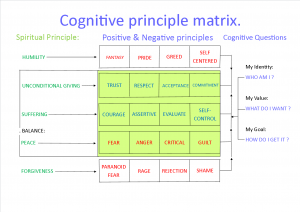
CPMatrix Balance: [Strong relationship principles and negative principles]
| Trust------------Respect-----------Acceptance-------------Commitment
|
|-Fear--------------Anger-------------Critical----------------Guilt/Anxiousness
Note: Negative principles are necessary to achieve balance in life. Eg Commitment without guilt, will lead to mistakes not being corrected.
CPMatrix Out of Balance: [Ego driven and negative concerns]
| Fantasy----------- Pride---------------Greed-----------------Self-centeredness
|
| Paranoid fear-----Rage---------------Rejection-------------Shame/Panic
Example: Trust without fear leads to fantasy; Anger without respect leads to rage [abuse]
The nine dysfunctions behaviors and their affect on the loyalty components of trust, respect, acceptance and commitment.
1. Team secrets/Trust:
The dysfunctional person who lacks trust can manipulate the team by using secrets, whereby they are the only person who knows the “whole story”. By destabilizing the team with lies and secrets, they maintain control and feel secure.
Outcome of 1.
The Dysfunctional person creates a fantasy, while the team members may be fearful or become paranoid.
2. Triangles/Respect
To maintain control the dysfunctional person uses triangles to get their needs meet.
Eg. Uses the “yes man” to conspire against the “scape-goat”
Uses the “hero” to promote himself with the boss.
Uses the “clown” to diffuse the questions from the “conscientious person”
3. Victim/Respect
To maintain status as competent the dysfunctional person blames the “Scape-goat”.
Outcome of 2 & 3.
The dysfunctional person develops pride in their ability to control the team, while the team members can feel anger or rage, for being disrespected.
4. Closeness-distance/ Acceptance.
The dysfunctional person uses closeness-distance to either destabilize a particular person or to form clicks against a particular person who they perceive is a threat to them.
5. Projection/Acceptance
The dysfunctional person projects their feelings on to another team member either because they can’t face the emotion themselves or they don’t want to be exposed.
Eg. The dysfunctional person accuses the “Scape goat” of going behind the dysfunctional person’s back, because they lack trust in themselves.
In the team meeting the dysfunctional person blames the “lost person” for not committing to the team, because the dysfunctional person did not commit himself/herself.
6. Gender/Acceptance
The dysfunctional person discriminates against another team member based on their gender, because they are fearful of the abilities of the person or do not how to control them.
7. New-old/acceptance.
When the dysfunctional person has the team destabilized, yet balanced due to most members feeling some dysfunction, then new members are not easily accepted into the team, unless they can quickly accept the dysfunctional role allocated to them.
Outcome of 4,5,6 & 7
The dysfunctional person becomes greedy and wants more from the team, while the team members are critical and some feel rejected.
8. Special rules/Commitment:
The dysfunctional person provides benefits to some members in exchange for commitment to the dysfunctional person. Benefits may include, the best jobs, promotion within the team, higher salaries, etc.
9. Cut-off/Commitment
The dysfunctional person will cut off some team members because they are not liked or they create problems for the dysfunctional person.
Outcome of 8 & 9.
The dysfunctional person becomes very self centered, while the team members feel anxiety or guilt, with some feeling shameful or having panic attacks.
Long term exposure within a dysfunctional team may cause depression in some team members


